Solutions · Product · For fashion and product brands
The sale is the last timeyou hear from most products.
A tag in the product is a channel that leaves the shop with it: proof it is real, a page for whoever owns it, and a way back to you months later.
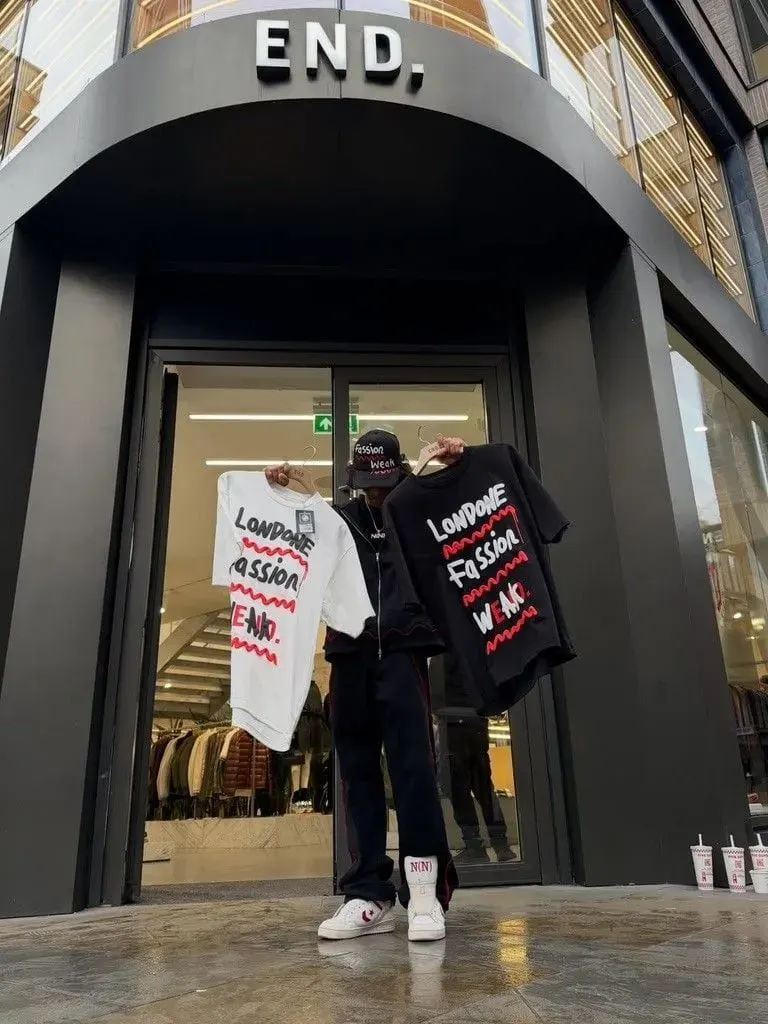
The Receipt Is Where It Ends
Once something is sold it changes hands, gets resold and gets copied, and none of that comes back to the brand that made it. A listing photograph is the only proof it is real.
The receipt records one sale. Nothing stays with the thing itself.
What you cannot answer today
- Who owns it now
- Whether it is real
- How to reach them after the sale
What You Can Prove with TapTech
Presence, recorded at the moment it happens, with consent from the people who chose to take part.
- That it is real
- Advance tags are signed on every tap and cannot be cloned, so a copy fails.
- Who owns it
- The first tap lets the owner claim it, and the claim stays with the piece.
- Which drops landed
- Entries by hour and day, so the calendar learns what a launch needs.
- Who to talk to next
- Consent from people who already own something you made.
What you could run
Connect a product
A garment or an object that proves itself and knows its owner. A tap walks people through 5 screens, each built from Portal Design Studio modules you can change.
- 01
Verify
- Product
- 02
Claim
- Profile
- 03
The story
- Content
- Video
- 04
Care
- File Download
- Notifications
- 05
Collection
- Collection
- Page Lock
Build this journey and see what it costs
Already running · Navinder Nangla × END., E Gucewicz
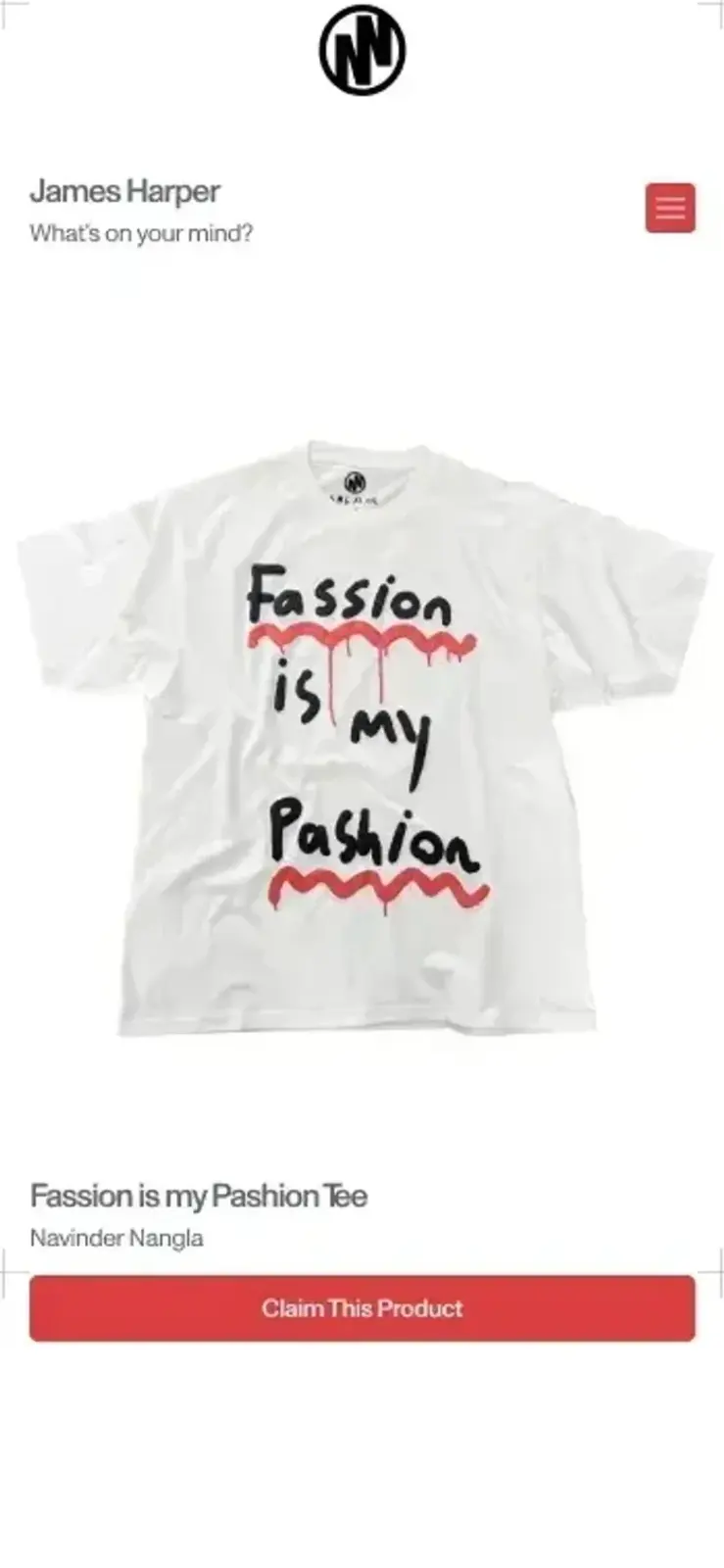
Navinder Nangla: claim the piece
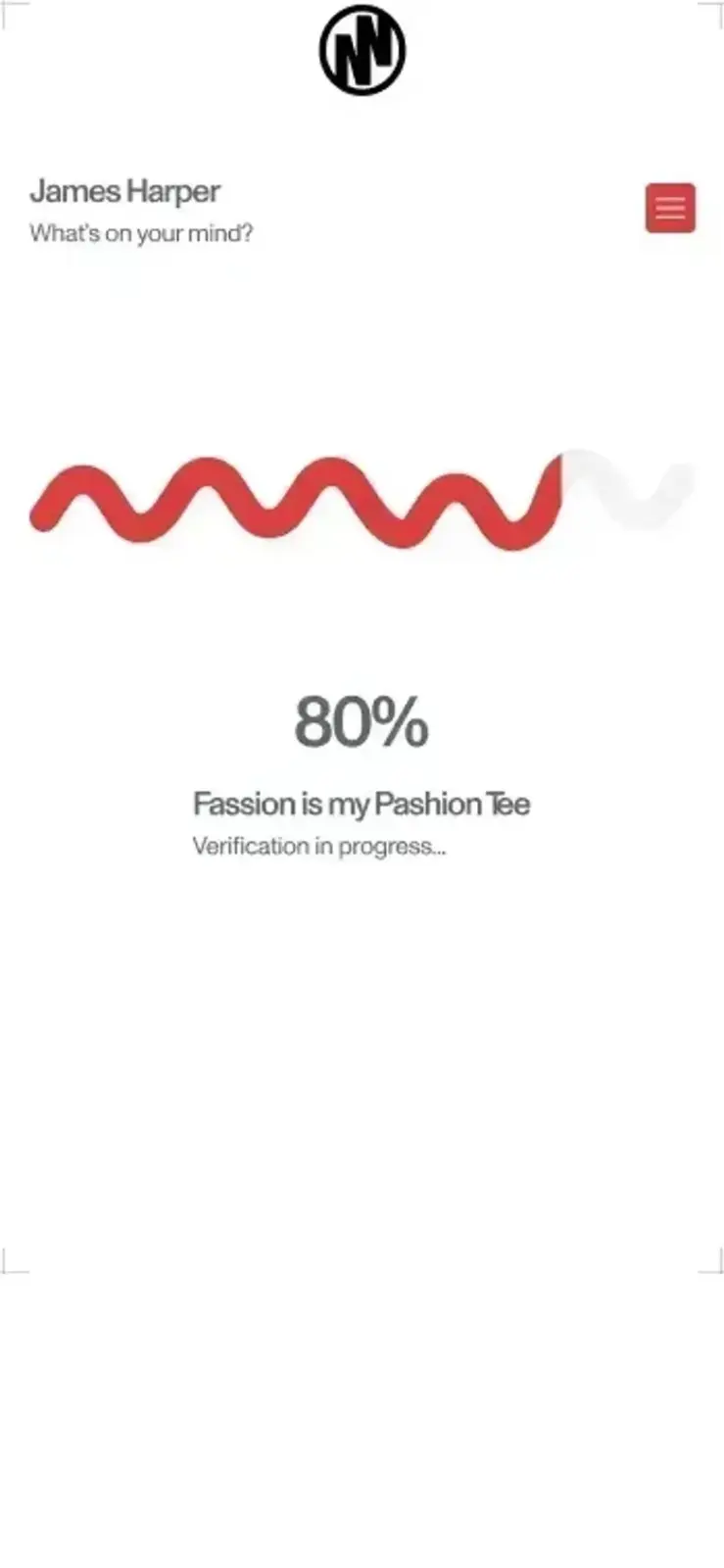
Navinder Nangla: verified
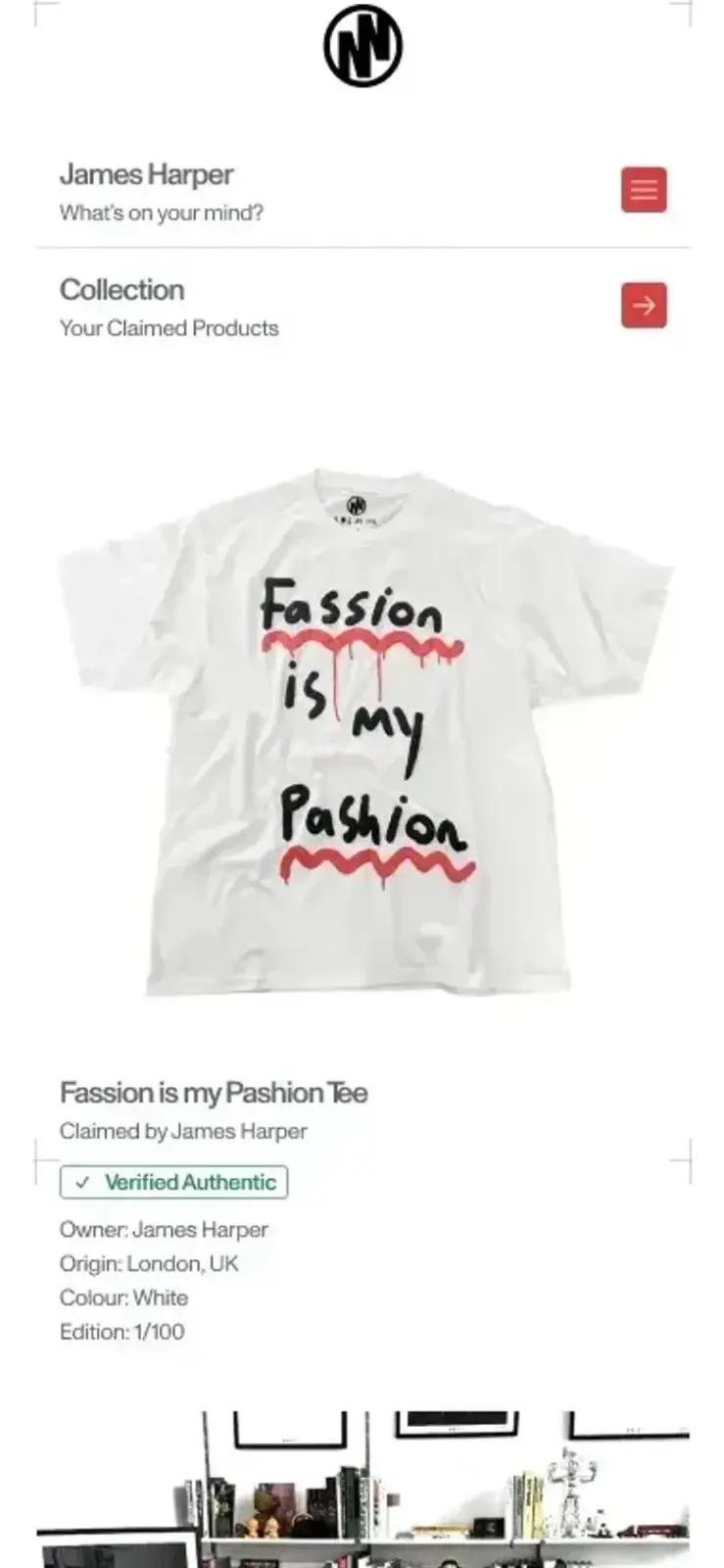
Navinder Nangla: the owner feed
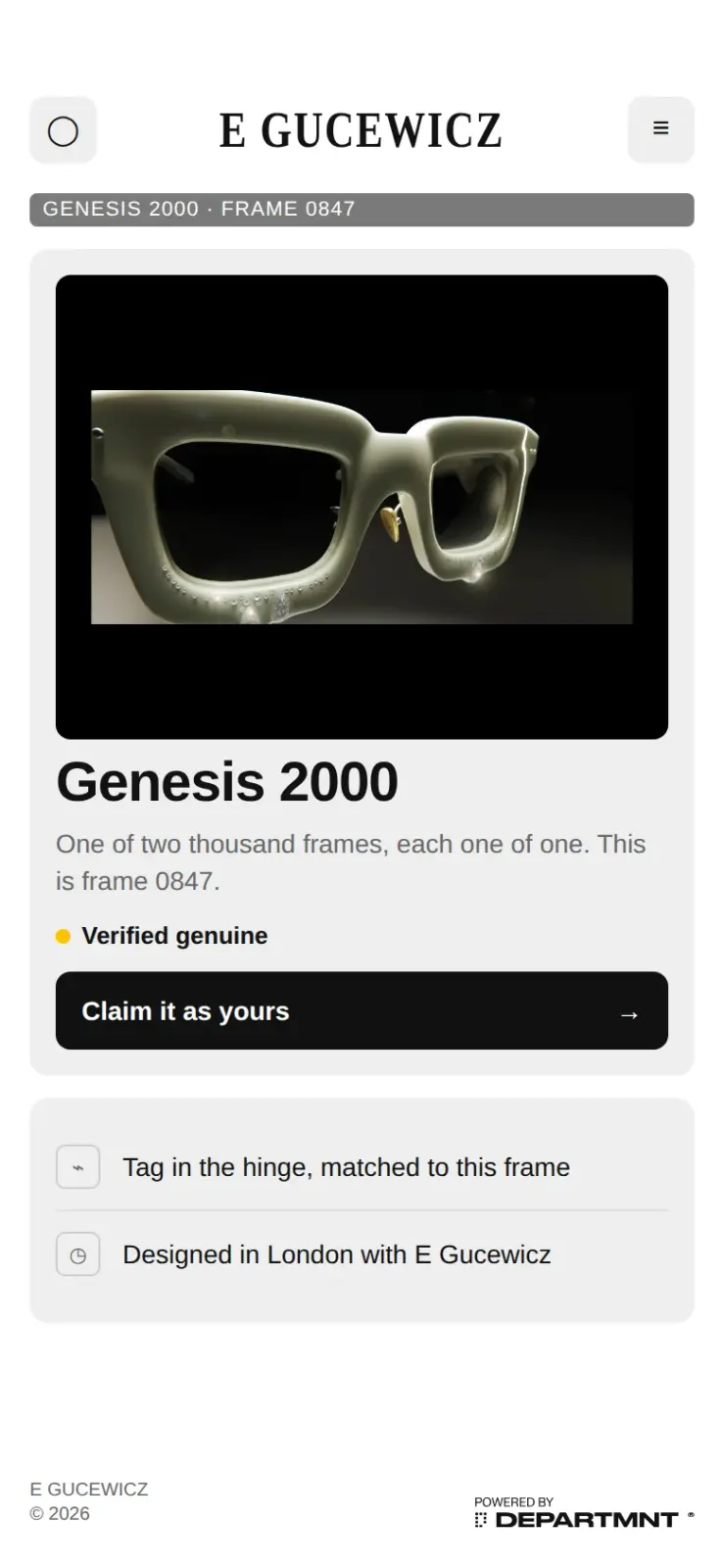
E Gucewicz (concept): verify and claim
What it returned
The Work, in Numbers
Three in four garments became a verified entrant. Zero fraud.
Connected fashion · London and Paris · February 2025
75%
of garments became a verified entrant
49.3%
opted into marketing
0%
duplicate or fraud rate
81%
of entries landed in one day
Two thousand one of one frames, each able to say what it was.
Collaboration, connected product · London · Twelve months, sketch to prototype
2,000
one of one frames designed
10,000+
design variations generated
12 months
from first sketch to working prototype
2
tags per piece, frame and case
Ten one off garments that keep telling their story after the sale.
Connected garments · Bournemouth · Pilot, from September 2025
10
one off garments, each with its own page
5
storytelling pieces
5
client builds
29mm
garment tag, sewn into the patch
Three Formats That Go with the Product
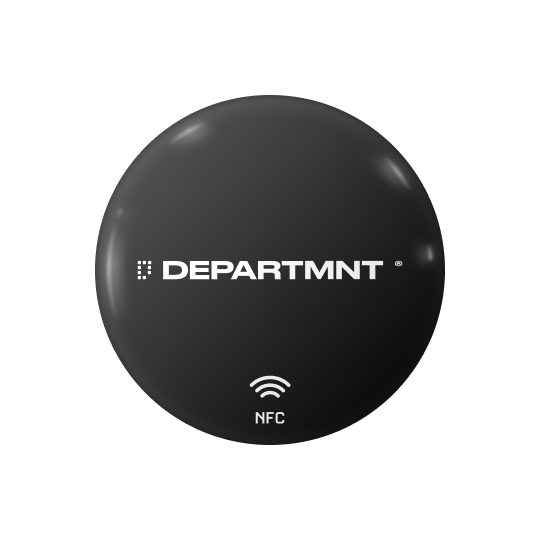
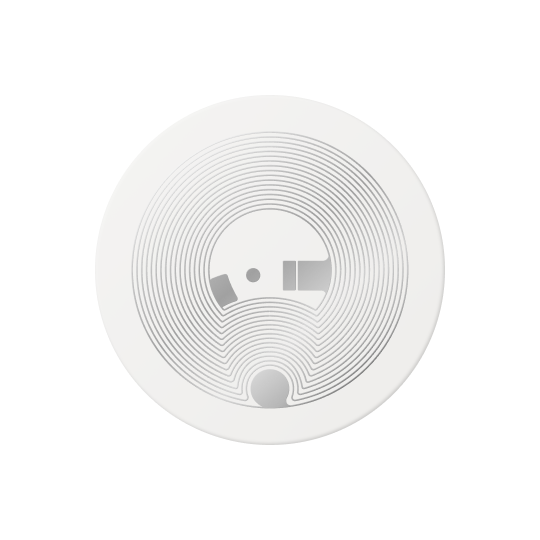
Every format opens the same Portal and reports into the same Core.
What People Ask First
Is this just a QR code with extra steps?
For mass distribution, a QR code is the better tool and cheaper. Print a QR code on a poster and anyone can scan it from across the room, or from a screenshot of it. That is the point of a QR code and it is a real advantage. A tap requires physical proximity to a specific object, which is what makes it usable as proof of presence rather than proof of interest.
What happens after the campaign ends?
Nothing, unless someone decides to do something, and most people do not. A tag stays live and stays updatable. On one deployment, page views were still landing four months after the activation nominally ended. Pointing those tags at the next drop is a database change rather than a print run, which is the cheapest campaign anyone can run. It only works if it is somebody’s job to remember.
What does a tap actually know about me?
On its own, nothing about you. A tap records that a tap happened: which tag, when, and the category of device. It is a record of presence, not of a person. If you give an email address or make an account that is a deliberate act, and you can ask for that record or ask for it to be deleted.
How to Start
How it runs
Order tags and set up a Portal yourself, with us on hand.
First step
Tell us the moment and the date. We will come back with formats, a Portal outline and lead times.
Where Next
- Know the shape of itGet an estimateScope a programme and see the tier and an indicative cost.
- Know the formatOrder tagsTen formats, priced by quantity, with your Portal assigned.
- Have a dateStart a briefTell us the moment and the date. We reply within a working day.
- Rather talkTalk to usThirty minutes with the people who build it.
In the docsProduct in the knowledge base ↗